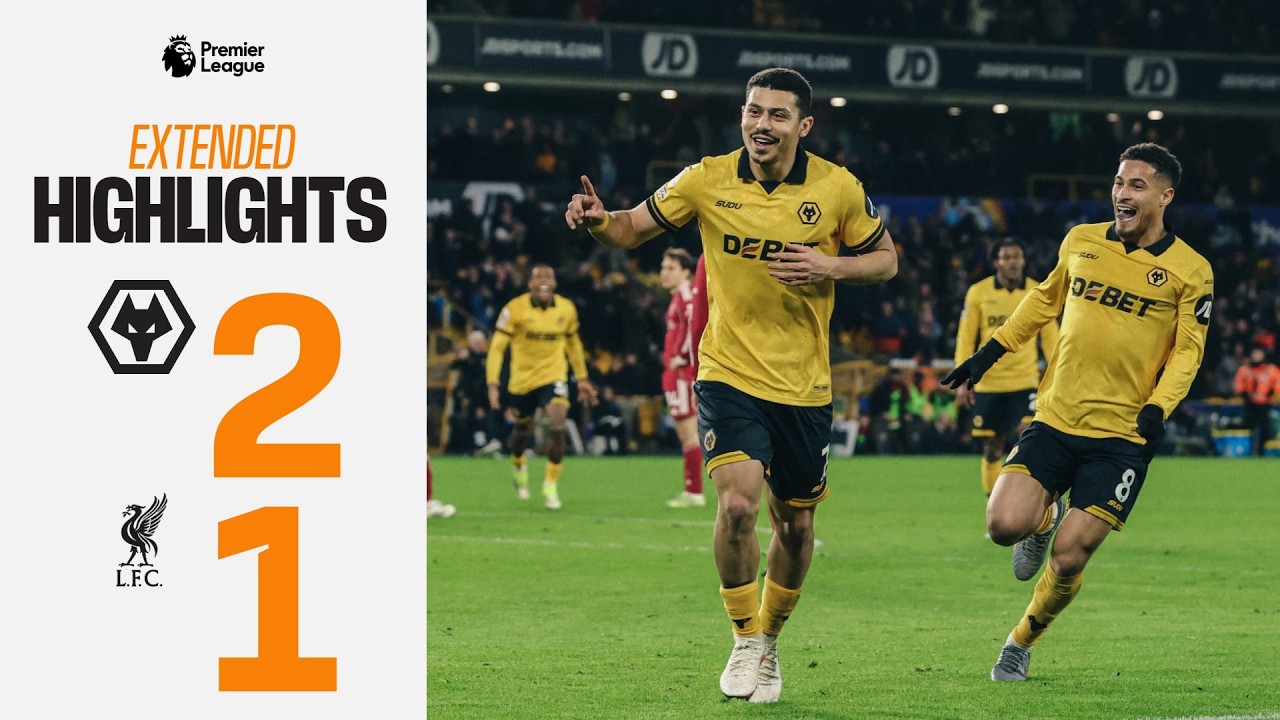
How Wolves Mastered Liverpool: A Tactical Breakdown of an Unforgettable Victory
The football world stood still. The internet buzzed with incredulous searches like "
wolves vence liverpool," trying to comprehend what many considered an impossible feat. When the final whistle blew, Molineux erupted, and headlines around the globe screamed about Wolverhampton Wanderers' monumental triumph over Liverpool. This wasn't just a win; it was a tactical masterclass, a meticulously executed plan that dismantled one of the most formidable teams in modern football. This article delves deep into the strategies that allowed Wolves to not just compete, but to truly master Liverpool, delivering a stunning blow that resonated far beyond the final scoreline.
The Pre-Match Landscape: Underestimating the Underdog
Before a ball was even kicked, the narrative was firmly established. Liverpool, under Jürgen Klopp, were flying high, often lauded for their relentless pressing, lightning-fast transitions, and a squad brimming with world-class talent. They arrived with an air of invincibility, a juggernaut expected to sweep aside most opponents, especially those perceived as mid-table contenders. Wolves, while respected for their disciplined approach and occasional upsets, were rarely expected to challenge the Reds' dominance over 90 minutes.
This perception, however, played directly into Wolves' hands. It allowed their manager, often described as a meticulous tactician, to craft a game plan under the radar. There was little expectation for Wolves to dictate play or out-muscle Liverpool physically for the entirety of the game. Instead, the focus shifted to exploiting perceived weaknesses and maximizing their own strengths – a classic underdog strategy that, when executed perfectly, can yield astonishing results. The initial shock of the outcome, prompting many to revisit the match with a critical eye, quickly revealed that this was no fluke, but a victory born of superior strategy and unwavering commitment. For a deeper dive into the immediate aftermath, you can refer to our
Wolves Stun Liverpool: Full Match Report & Analysis.
Nuno's Tactical Blueprint: Disrupting the Red Machine
The genius of Wolves' victory lay in their manager's precise tactical blueprint, designed specifically to neutralise Liverpool's strengths and exploit their rare vulnerabilities.
Defensive Fortification and Pressing Triggers:
- Compact 5-3-2/3-5-2 Formation: Wolves opted for a formation that could quickly transition between a solid defensive block and a potent counter-attacking shape. The three centre-backs (e.g., Coady, Kilman, Dawson) provided numerical superiority against Liverpool's primary attacking threats, while the wing-backs (e.g., Semedo, Ait-Nouri) were crucial in containing Liverpool's marauding full-backs, Trent Alexander-Arnold and Andy Robertson.
- Zonal Marking with Man-Oriented Overlaps: Instead of strict man-marking which could be exploited by Liverpool's movement, Wolves employed a smart zonal system. Defenders maintained their positions in relation to the ball and their zones, but when a Liverpool player entered their area, they became man-oriented. This was particularly effective in midfield, where Ruben Neves, João Moutinho, and another central midfielder (e.g., Lemina/Gomes) formed a tight triangle, suffocating Liverpool's creative hub and disrupting their quick passing lanes.
- Pressing Traps: Wolves didn't press high constantly, which would have tired them out and left gaps. Instead, they set intelligent pressing traps, often inviting Liverpool to play into specific wide areas or towards their less comfortable defenders. Once the ball reached these zones, Wolves would swarm, cutting off passing options and forcing turnovers in dangerous areas.
Offensive Exploitation and Counter-Attacking Prowess:
- Direct Transitions: The moment possession was won, Wolves looked to move the ball forward quickly. They bypassed Liverpool's midfield press with long, incisive passes, often targeting Raúl Jiménez's excellent hold-up play or the blistering pace of Adama Traoré.
- Targeting Liverpool's High Full-Backs: One of Liverpool's greatest strengths – their attacking full-backs – became a vulnerability. When Alexander-Arnold and Robertson pushed high, they left vast spaces behind them. Wolves meticulously exploited this, using the pace of Traoré on one flank and the intelligent runs of their other forward (e.g., Podence/Guedes) on the opposite side to isolate Liverpool's centre-backs or force the full-backs into desperate recovery runs.
- Clinical Finishing: Against a team like Liverpool, chances are few and far between. Wolves demonstrated remarkable composure and clinical finishing when opportunities arose. The first goal, for instance, might have come from a rapid counter down the flank, culminating in a precise finish past Alisson.
This comprehensive strategy, carefully honed on the training ground, allowed the "wolves vence liverpool" narrative to shift from unbelievable to undeniably true. For a broader perspective on the specific reasons for the upset, check out
Wolves vs Liverpool: The Shock Victory Explained.
Key Battlegrounds and Decisive Moments
The match wasn't won in a single moment, but through a series of tactical victories across the pitch.
The Midfield Masterclass:
The central midfield battle was arguably where Wolves established their dominance. Neves and Moutinho, with their blend of tactical intelligence, passing range, and defensive discipline, completely nullified Liverpool's engine room. They cut off supply lines to Salah, Núñez, and Gakpo, forcing Liverpool into predictable wide play or speculative long balls. Liverpool struggled to find rhythm or create meaningful penetration through the middle, a testament to Wolves' suffocating pressure and smart positioning.
The Wing-Backs' Dual Role:
Wolves' wing-backs were unsung heroes. Defensively, they stuck to their tasks, tracking Liverpool's full-backs and wide forwards diligently. Offensively, they provided critical width and an outlet for counters. A prime example might have been a situation where Semedo made a crucial tackle on Robertson, immediately springing a counter-attack that led to a dangerous cross into Liverpool's box. This relentless effort on the flanks wore down Liverpool's defence and prevented them from playing their natural game.
Set-Piece Exploitation:
Wolves' physicality and aerial prowess, particularly with players like Dawson and Jiménez, were evident in set-piece situations. While perhaps not scoring directly from every corner, the threat they posed caused considerable anxiety in the Liverpool defence. This psychological pressure contributed to errors and distracted defenders, creating opportunities that might not have seemed obvious at first glance.
Liverpool's Struggles: What Went Wrong?
While Wolves executed their plan flawlessly, Liverpool's performance also contributed to their downfall.
- Lack of Adaptability: Klopp's side, known for their unwavering commitment to their high-energy style, struggled to adapt when their usual methods were effectively countered. They seemed to lack a Plan B, continuing to try the same passes and runs that were consistently being snuffed out.
- Creative Block: Without a functional midfield, Liverpool's creative outlets were severely limited. Their front three, often isolated, found little space to operate against a well-drilled Wolves defence. Salah, in particular, was often double-marked, and when he did receive the ball, he was quickly closed down.
- Defensive Vulnerabilities Exposed: The spaces left by Liverpool's attacking full-backs were brutally exposed. When caught out of position, their centre-backs were put under immense pressure, leading to rushed clearances or desperate fouls. This highlighted a structural weakness that Wolves relentlessly targeted.
- Psychological Impact: As the game wore on and Wolves maintained their lead, frustration visibly grew among the Liverpool players. This led to a dip in composure, miscommunication, and a general loss of intensity, further allowing Wolves to assert control.
Lessons Learned: The Enduring Impact of a Giant-Killing
Wolves' victory over Liverpool stands as a powerful reminder of football's unpredictability and the enduring power of tactical ingenuity.
Practical Tips for Underdogs:
- Know Your Enemy: Conduct thorough opposition analysis. Identify specific weaknesses and design your game plan to exploit them.
- Discipline and Organisation: A strong defensive structure and unwavering discipline are paramount against superior opposition. Every player must understand and execute their role perfectly.
- Exploit Transitions: Speed and directness in transition can catch even the best teams off guard. Practice quick counters and decisive attacking moves.
- Believe in the Plan: Mental fortitude is crucial. Players must buy into the manager's vision and maintain belief, even when under immense pressure.
- Maximise Set-Pieces: These can be game-changers. Work on both offensive and defensive set-piece routines to gain an edge.
This monumental win proved that with the right strategy, commitment, and a touch of courage, even the most daunting giants can be brought down. It solidified the notion that while raw talent and financial power are important, they can be overcome by tactical brilliance and collective effort. The echoes of "wolves vence liverpool" will long remain a testament to this fact.
Conclusion
The day Wolves mastered Liverpool was more than just a football match; it was a tactical exhibition and a monumental upset that captured the imagination of fans worldwide. From Nuno's ingenious blueprint to the unwavering discipline and clinical execution by his players, every element coalesced to deliver a stunning victory. It showcased how meticulous planning, a deep understanding of the opponent, and a fearless approach can turn the tide against seemingly insurmountable odds. This match will forever be remembered as a masterclass in giant-killing, a definitive answer to the pre-match doubts, and a proud chapter in Wolverhampton Wanderers' history.